


Product
Contact Us
Wuxi Nsteel Marine Equipment Co Ltd.
Mobile : +86 13761721518
Email : [email protected]
Add : Room 1101, Lixiang chengshi ,Huishan district Wuxi China-214177
Top Tips for Picking The Best Lifeboat for Your Vessel
Time:2026/06/17View:
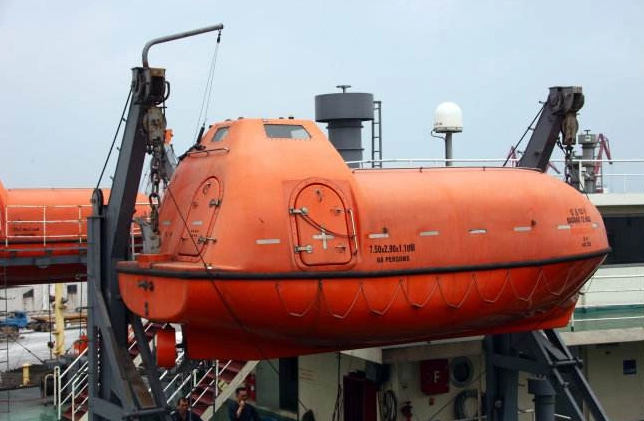
Imagine your vessel has a sudden emergency at sea. Can you trust your lifeboats to keep everyone safe? The best lifeboat depends on your vessel’s type and size. It also depends on how you use your vessel. Choosing the right lifeboat is important for safety. It also helps you follow the law. Think about what your vessel needs most. Ask experts for help before you choose.
Key Takeaways
Pick a lifeboat that matches your vessel’s type and size. This helps keep everyone safe.
Make sure lifeboats have important features like self-righting and stability. These help in emergencies.
Follow all international laws and local rules. This helps you avoid fines and keeps people safe.
Check and fix lifeboats often. This makes sure they work in emergencies.
Teach your crew how to use and launch lifeboats the right way.
Think about where you will use the lifeboat, like offshore or near the coast, before you choose one.
Ask marine safety experts for help with picking lifeboats and following rules.
Plan to upgrade lifeboats in the future. This helps meet new safety standards and improves lifeboat features.
Why Lifeboats Matter for Vessel Safety
Safety and Survival at Sea
Lifeboats are important when there is trouble at sea. They give you a safe spot to wait for help. Lifeboats have many features to help you live. Self-righting mechanisms help the boat turn upright if it flips over. Stability keeps the lifeboat steady in big waves. Buoyancy standards make sure the boat floats, even with water inside. Advanced communication systems help you call for help fast. Hypothermia prevention measures, like insulated suits, keep you warm in cold water. Signaling protocols, such as flares and beacons, help rescuers find you quickly.
Legal and Compliance Requirements
Legal and Compliance Requirements
You have to follow rules when picking lifeboats for your vessel. International laws, like the SOLAS Convention, set safety rules for lifeboats on ships. These rules say your lifeboat must fit everyone on board. You must be able to launch it in five minutes, even if the ship is tilted. Lifeboats need regular checks and care so they work when needed. Crew members must learn how to use and launch lifeboats. Each lifeboat must have food, water, thermal protection, signaling devices, navigation tools, and medical supplies.
Consequences of Poor Lifeboat Choices
Picking the wrong lifeboat can cause big problems. Bad maintenance and no training can lead to accidents. In 2019, a lifeboat fell at Shell's Auger platform because a release cable was damaged. Two people died because the cable was not fixed. This shows why you must check and care for lifeboats. In the past, the Mignonette shipwreck in 1884 ended badly because of poor lifeboat planning. The crew got in trouble with the law after they were rescued.
Always choose lifeboats that meet safety rules and train your crew. Good choices can save lives.
Assessing Your Vessel’s Lifeboat Needs
To pick the best lifeboat, you must know your vessel. Think about its type, size, and how you use it. These things help you choose lifeboats that keep you safe and follow the rules.
Vessel Type and Size
Commercial vs. Recreational
First, decide if your vessel is for work or fun. Commercial vessels move goods or people for money. Recreational vessels are for hobbies, like fishing or sailing. Commercial vessels need lifeboats with extra safety features. These lifeboats must follow strict rules. Recreational vessels can use simpler lifeboats, but safety still matters.
Usage and Operating Conditions
Offshore vs. Coastal
Think about where you use your vessel. Offshore vessels go far from land. Coastal vessels stay close to shore. Offshore vessels face bigger waves and strong winds. Choose lifeboats that protect you in rough weather. Coastal vessels can use lifeboats that are easy to launch.
Weather and Sea State
Weather at sea can change quickly. Storms, fog, and cold make emergencies harder. Pick lifeboats that work in all kinds of weather. Look for lifeboats with covers, insulation, and tough hulls. These features help you stay safe when the sea is rough.
Note: Lifeboats with weather protection help you last longer in emergencies.
Capacity and Occupancy
Crew and Passenger Numbers
Count everyone on your vessel. Lifeboats must have seats for all crew and passengers. Rules say every person needs a spot in a lifeboat. If you have more people, get bigger lifeboats or add more lifeboats.
Accessibility and Comfort
Make sure lifeboats are easy to reach. Fast access saves time in emergencies. Comfortable seats and space help people stay calm. Lifeboats with clear entryways and safety gear make leaving the vessel easier.
Easy to reach
Comfortable seats
Safety harnesses
Simple instructions
Remember: Lifeboats that are easy to use and comfy help everyone stay safe and calm.
Pre:Principle of Hydraulic Power Unit and its Structure
Next:How to maintain and check the common troubles of marine hydr
Next:How to maintain and check the common troubles of marine hydr
Related Articles
- 2026/07/13How to maintain and check the common troubles of ma
- 2026/06/17Top Tips for Picking The Best Lifeboat for Your Ves
- 2026/02/28Principle of Hydraulic Power Unit and its Structure
- 2026/02/28Operation of the Gravity Luffing Arm Type Davit
- 2026/02/28New Oil Cylinder Pressure Protection System for Sha